The short answer: use a soft brush, move it gently in small circles for two minutes twice a day, spit out the toothpaste without rinsing, replace the brush every three months, and clean between your teeth once a day. Most people get one or two of these wrong, and each one is easy to fix.
1. Brushing too hard
Plaque is soft. It comes away with light pressure. Scrubbing hard, especially with a medium or hard brush, wears the gums back over time and can make the teeth sensitive near the gumline.
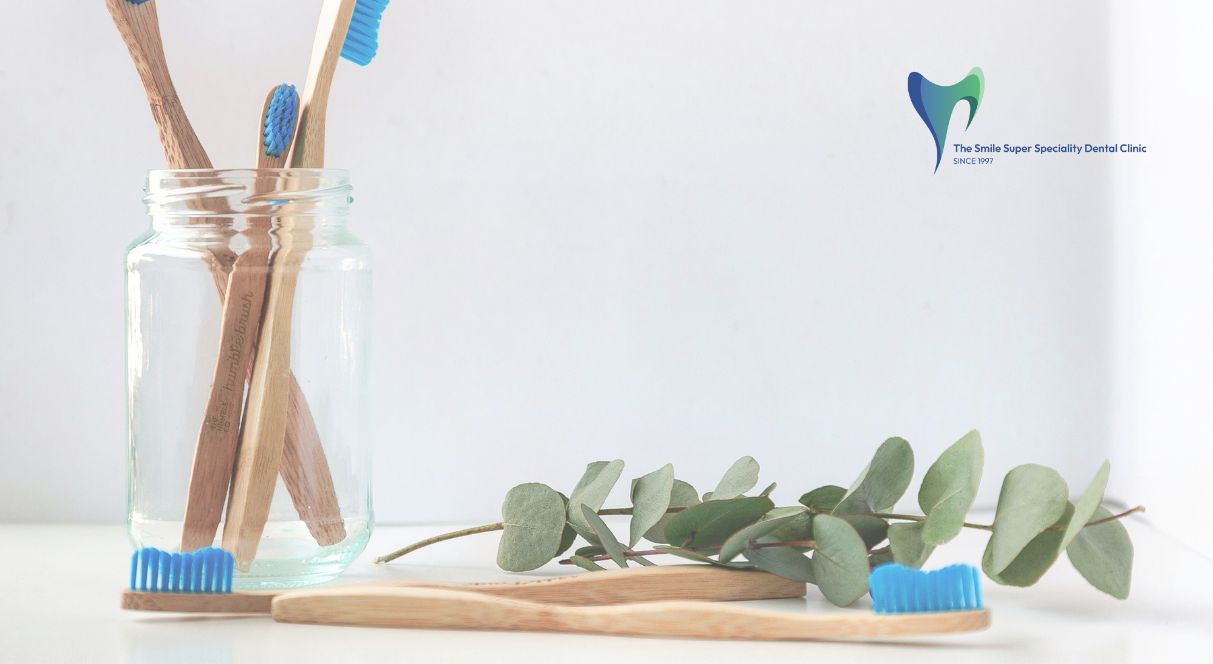
The fix: choose a soft brush, hold it with your fingertips rather than your fist, and angle the bristles towards the gumline. Use small circles. If your brush looks flattened after a few weeks, you are pressing too hard.
2. Brushing for less than two minutes
Most people brush for well under a minute, and the inside surfaces of the lower front teeth and the back molars get the least time.
The fix: use a timer or an electric brush with a built-in two-minute timer. Split the mouth into four quarters and give each one 30 seconds.
3. Using a worn-out brush
Once the bristles splay outwards, they stop reaching into the grooves and along the gumline.
The fix: replace your brush, or the head of an electric brush, every three months, and after a cold or fever.
4. Rinsing straight after brushing
Fluoride works best when it stays on the teeth. Rinsing with water washes most of it away.
The fix: spit out the extra toothpaste and leave it at that. If you use a mouthwash, use it at a different time of day.
5. Skipping the gaps between your teeth
A toothbrush cleans the front, back and top of each tooth, but not the sides where teeth touch. That is where many cavities and most gum problems begin.
The fix: floss or use interdental brushes once a day. Interdental brushes are easier for many adults, especially with wider gaps or braces. Our post on whether flossing is necessary compares the options.
Manual or electric?
Both work well when the technique is right. An electric brush helps people who tend to rush or press too hard, because many models have a timer and a pressure warning.
When to see a dentist
Book a check if your gums bleed often, your teeth feel sensitive near the gumline, or you can see the gums pulling back. These usually respond well to a professional cleaning (consultation and cleaning for a typical healthy adult come to ₹2,500 to ₹2,700 in total) and a few changes in technique, which we show you at the chair.
Booking a visit
The first visit is a ₹500 consultation. It includes an iTero 3D scan, so you see your own teeth on screen, an explanation of what we find, and a written plan with the exact price. Call Kondapur on +91 7416 644 400 or Vizag on +91 9849 132 388, or book through the Kondapur or Vizag page.
Should I use a soft or a hard toothbrush?
A soft brush. It removes plaque just as well and is gentler on the gums and on the enamel near the gumline. Hard brushes are more likely to wear the gums back over time.
How long should I brush my teeth?
Two minutes, twice a day. Split your mouth into four quarters and spend about 30 seconds on each.
Should I rinse my mouth after brushing?
No. Spit out the extra toothpaste and leave the rest. Rinsing washes away the fluoride that protects your teeth.
How often should I change my toothbrush?
Every three months, or sooner if the bristles splay out. Replace it after a cold or fever too.
Is an electric toothbrush better than a manual one?
Both clean well with good technique. An electric brush helps if you tend to rush or brush too hard, because many have a two-minute timer and a pressure warning.