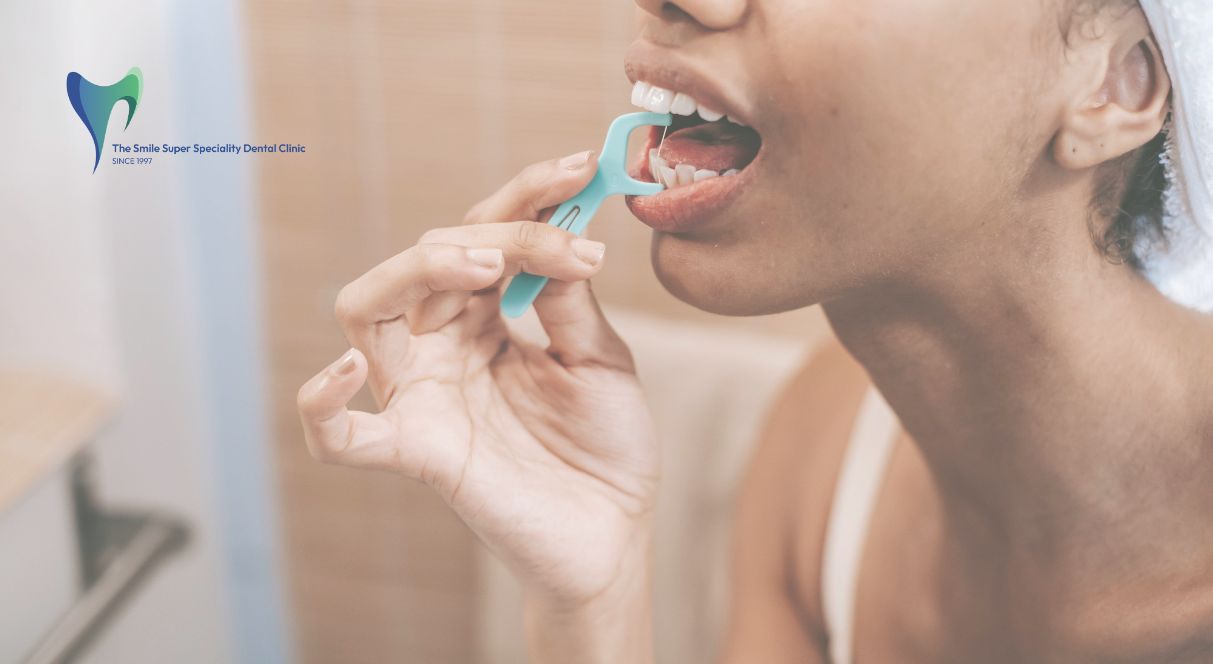
Brushing your teeth: everyone knows that's good for you. But what about flossing? Is it really helpful, or just an extra step you can skip? The truth is, flossing can be a big friend to your smile. Let's find out why.
1. Brushing Misses Stuff.
Brushing your teeth is great, but it can only clean the tops and sides. Between your teeth is like a tiny jungle where icky stuff called plaque loves to hide. Plaque can harden into tartar, which is even tougher and bad for your gums. Flossing is like a secret weapon to reach those hidden spots and clean out the plaque before it causes trouble.
2. Flossing Fights Back.
Studies show flossing does cool things:
- Stops Plaque: Flossing gets rid of plaque before it turns into tartar.
- Happy Gums: Flossing removes icky stuff that can make your gums sore and red.
- Fresh Breath: Food stuck between teeth can make your breath not so fresh. Flossing says goodbye to bad breath.
3. Flossing Like a Pro.
Here's how to floss like a champ:
- Grab the String: Use about a hand-span of floss and wrap it around your middle fingers.
- Slide & Clean: Slide the floss gently between your teeth, then move it back and forth to clean the plaque away.
- Curve & Repeat: Curve the floss around each tooth to clean the sides, then use a clean piece of floss for each space between your teeth.
Conclusion:
Now you know the secret power of flossing. By flossing every day, you're giving your smile a big high five. Remember, brushing twice a day, flossing daily, and seeing your dentist for checkups keep your smile healthy and happy.
Ready for a Floss-tastic Smile?
Come visit Smile Dental Clinic today. Our friendly dental team can check your smile and give you tips on how to floss like a pro. We have all sorts of ways to keep your teeth sparkling clean.
P.S. Feeling a little lost with flossing? Don't worry, we can help. Schedule an appointment and we'll show you.
Is flossing necessary if I already brush twice a day?
Yes. A toothbrush cleans the front, back and chewing surfaces, but the bristles cannot get into the tight contact between two teeth. That gap is where plaque builds up quietly and hardens into tartar, which a brush can no longer remove.
How often should I floss?
Once a day is enough for most people. Night is the easiest time to stick with it, because anything left between the teeth then sits there for eight hours while you sleep.
My gums bleed when I floss. Should I stop?
Bleeding usually means the gums are already inflamed, not that flossing is harming them. In most cases it settles within a week or two of daily flossing. If it carries on past that, get the gums checked.
What is the correct way to floss?
Take a length of floss about the span of your hand and wind the ends around your middle fingers. Slide it gently between two teeth, curve it around one tooth in a C shape, and move it up and down against the side. Use a fresh section for each gap.
Does flossing help with bad breath?
It does. Food that stays trapped between teeth breaks down and starts to smell. Clearing those spaces daily removes one of the common causes of bad breath.
Can a water flosser replace regular floss?
A water flosser is a good option if you have braces, bridges, or find string floss hard to handle. For most people it works alongside floss rather than instead of it, since string still scrapes the tooth surface in a way a jet of water does not.